
A breakthrough in China’s woodworking machinery sector can spur growth and reshape the market. Leaders should focus on disruptive trends such as moving from volume-driven to personalized, smart machinery. This shift requires strategic adaptation.
Market demand for woodworking machinery in China is expected to keep growing in the second half of the year. Building on broader market trends, growth drivers include government policies that incentivize innovation, increased infrastructure investment, and rising exports as global markets recover. As a result, annual sales of SANDER MACHINE and PLANER SAW MACHINE are projected for double-digit year-on-year growth, according to official data from the China Woodworking Machinery Industry Association released July 11.
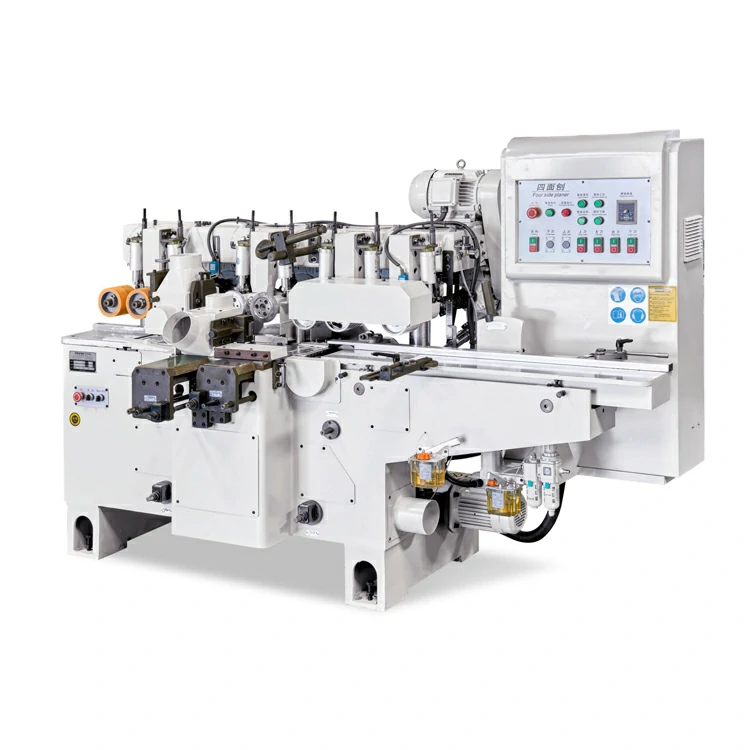
Recent sales further support this forecast. The association reports SANDER MACHINE sales at 120,520 units for the first half of 2025, representing a 16.8% year-over-year increase. Domestic sales increased by 22.9%, while exports rose by 10.2%. PLANER SAW MACHINE sales reached 64,769 units, up 13.6%, with domestic sales up 23.2%.
These positive trends create opportunities for stakeholders. To prepare for upcoming market shifts, segmenting these into rapid-gain and long-term strategies can help guide future actions more effectively.
To achieve rapid gains, manufacturers can capitalize on rising domestic demand to expand production and enhance their products. Suppliers can form strategic partnerships to streamline supply chains and ensure the timely delivery of key components.
Trend 1: Policy Dividends Unlocked, Domestic Demand Gradually Rebounding
二 . Do not underestimate demand for equipment upgrades. The woodworking machinery industry is shifting toward electrification, intelligence, and digitalization, driving the need for product upgrades. The 8-10 year equipment replacement cycle is here. Starting in 2025, expect a large wave of upgrades. Suppliers should secure component contracts now to lock in stable pricing. Investors should evaluate when to invest to maximize potential returns from the industry’s growth.
(The image on the right shows the 2026 Woodworking Machinery Exhibition, showcasing new woodworking machinery.)
Trend 2: Winning Global Share: How Chinese Woodworking Firms Outrun Protectionism
China’s woodworking machinery industry is aggressively pursuing global growth. In 2024, exports accounted for 20% of revenue; by 2025, they had surged to 45% amid rising infrastructure and demand. To capitalize, firms should localize production, streamline sourcing, and build robust supply chains. Strategic inventory reserves aid resilience. These steps align operations with ambition, positioning firms to excel internationally. Yet, rapid expansion brings complexity and new overseas challenges.
Senior leaders must recognize that the global woodworking machinery sector is far more intricate than the domestic market. The Woodworking Machinery Industry Association underscores a resurgence in trade protectionism. The CAGE framework exposes the major barriers: cultural, administrative, geographic, and economic. Cultural divides, such as language and business practices, undermine strategic market entry—only 60% of overseas offices are fluent in local languages. Administrative obstacles, including inconsistent regulations, add complexity to the process. Regulatory approvals in top markets typically take an average of two years, further extending the time it takes for firms to operate fully in new markets. Geographic distance slows supply chains, with export destinations requiring 45-day transit times. Economic gaps create a 25% variance in GDP per capita, impacting margins. By understanding these factors, industry executives can develop tailored strategies to mitigate the impact of protectionism. Demand is emerging; companies must adapt. Industry forecasts suggest full recovery is projected for 2026, at which point rigorous regional segmentation will be possible. As this global recovery unfolds from 2024 through 2026, distinct patterns are emerging between developing and mature markets. This context helps illuminate key differences in how firms should approach each region moving forward.
Executives see divergence across international markets. Expansion surges in emerging economies, especially with rising infrastructure demand in Latin America, India, and Africa. For instance, a Brazilian furniture plant recently doubled orders for Chinese machinery in response to tariff shifts and production growth. Cost-effectiveness, quality, and after-sales success drive competitive differentiation. As a result, firms are advancing global market penetration. At the same time, mature markets present new opportunities requiring a different approach. It is essential to consider the distinct strategic shifts required to succeed within mature economies, which the following section addresses.

In mature markets, executives must boost innovation by investing in new energy and technology. Chinese firms are updating global strategies to stay ahead. Strategic alliances are a must for standing out. For example, a Chinese firm teamed up with a European tech company in a joint research project focused on new energy. By pooling their strengths, they avoid price wars and build premium value with the patented, energy-efficient EcoDrive System. This partnership demonstrates the benefits of technical collaboration: the Chinese side leads manufacturing, while the European partner brings expertise in energy. The alliance helps them outperform low-cost rivals, secure premium pricing, and gain an edge based on knowledge.
Trend 3: Vast Secondhand Market, Accelerated Overseas Expansion of Existing Stock
Trend Four: Smart-Electric Transformation Is Defining the Industry’s Future
- Contact: Jelly
- Email:shundefengyue@163.com
- Website: https://linkyoumf.com/contact-us/
- Location: No.2 seconde floor ,Yingjing center Dingzi Rd ,Licuang,Lunjiao,Shunde,Foshan ,Guangdong,China