
Established in 2008 · Lunjiao, Shunde Woodworking Machinery Hub · 200+ Patents
Industrial Woodworking Machinery for Solid Wood Processing & Automated Panel Lines
Explore planers, saws, sanding machines, and panel handling systems for solid wood and panel production. Share your workpiece and production goal with LINKYOU to discuss a suitable machine or connected line.
Solid Wood Processing
Panel Sanding & Handling
Standalone Machines & Production Lines
- Machine Series
Compare Woodworking Machinery by Process and Working Range
Find the equipment for your next production step. Compare the featured models below, then explore each series for more machine types, working ranges, and configurations

Wood Planers & Rip Saws
Prepare solid wood by planing, profiling, straight-line ripping, or multi-blade cutting. Compare machine families by the operation and working range you need.
Featured model: VK-B416B Four-Side Molder
- Working width:25–160 mm
- Workpiece thickness:8–100 mm
- Spindles: 4

Wood Sanding Machines
Prepare door panels, cabinet fronts and profiled components for the next finishing stage. Combine sanding mechanisms to reach flat areas, grooves, and shaped surfaces.
Featured configuration:SW1300 Series · EHPCC-X
- Working width:100–1250 mm
- Workpiece thickness:5–100 mm
- Feed speed:1–18 m/min
- Minimum workpiece length: 500 mm

Wood Planers & Rip Saws
Prepare solid wood by planing, profiling, straight-line ripping, or multi-blade cutting. Compare machine families by the operation and working range you need.
Featured model: VK-J100 / VK-J200
- Cutting thickness: 5–70 mm;
- Saw blade diameter: 455 mm;
- Maximum feed speed: 100 m/min。

Panel Flipping Machines
Turn panels between processing stages to present the next face for machining or sanding. Explore turning mechanisms that connect with the flow of your production line.
Featured model: FB205 Horizontal Flipping Machine
- Panel length:400–2400 mm
- Panel width:300–1200 mm
- Panel thickness:10–60 mm
- Maximum workpiece weight: 50 kg.

Panel Loaders & Stackers
Move panels between stacks and processing equipment with automated pickup and transfer. Explore loading and stacking layouts for sanding, edge-banding, and connected production.
Featured model: KRC801 Single-Arm Loader / Stacker
- Panel width:320–800 mm
- Panel thickness:10–50 mm
- Working cycle:7 cycles/min for panels under 40 kg
Connected Production Lines
Link processing machines with loading, transfer, turning, and stacking equipment. Explore line arrangements for sanding, sawing, and milling workflows.
Panel length:300–2400 mm
Panel width:280–1200 mm
Panel thickness:8–60 mm
- Task Selector
Find the Equipment for What Your Factory Makes
From solid wood frames to profiled door panels, the right machine starts with the component and the job it needs to perform. Choose your production task to explore the relevant equipment.
Your production task
Equipment focus
Explore
Solid wood strips, frames and mouldings
Planing and profiling for the required section; ripping and cross-cutting for width and length preparation
Wood Planers & Rip Saws; Wood Cross-Cut Saws
Door panels, cabinet fronts and profiled surfaces
Sanding units that reach flat areas, grooves and shaped details before the next finishing stage
Wood Sanding Machines
Panel infeed, turning and outfeed
Pickup, transfer, face turning and stacking arranged around the processing stations
Panel Loaders & Stackers; Panel Flipping Machines
Have a specific component in mind? Send a photo or drawing to start the equipment discussion.
- Production Line
Connect Sanding and Handling in One Production Flow
Bring panel feeding, two-face sanding, turning, and collection into a connected workflow. The double-sided sanding layout below shows how processing and handling equipment work together from the incoming stack to the finished outfeed.

Double-side sanding line with two SB1300 sanding machines, an FB204 turner and automated feeding and stacking equipment.
01 · Load
Feed panels from the incoming stack into the line.
02 · Sand the First Face
Pass the panel through the first SB1300 sanding machine.
03 · Turn
Use the FB204 turning station to present the opposite face.
04 · Sand the Second Face
Feed the turned panel through the second SB1300 sanding machine.
05 · Stack
Collect processed panels at the outfeed stacking station.
Process Both Faces in Sequence
Two sanding machines work on either side of the turning station. This arrangement brings first-face sanding, panel turning, and second-face sanding into one material-flow sequence.
Automate Repeated Handling Steps
Feeding, roller transfer, turning, and stacking equipment move panels between the processing stages, reducing the need to carry and turn each panel manually.
Plan Around Your Workshop
Start with the stations already in your factory. Panel dimensions, conveyor heights, travel direction, and available floor space shape the arrangement of the next machine or connected line.
Ready to Upgrade Your Production Flow?
Share your workshop layout, panel sizes, and the step that slows production. Start a focused discussion about the processing and handling equipment for your next upgrade.
- Selection
Match the Machine to Your Production Goal
A useful equipment comparison connects working range, processing method, and material flow. These four points help turn a production requirement into a focused shortlist of machines.
Working Range for Your Parts
Width, thickness, and length define the size of the workpiece a machine can process. For loaders and turners, panel weight is also a factor in selection.
Mechanisms for the Required Result
Planing, ripping, cross-cutting, and sanding perform different jobs. Match the cutting direction or abrasive contact to the finished section, surface, and details of your component.
Feed and Cycle for Your Workflow
Adjustable feed speed helps match machining or sanding to the workpiece. Handling cycle time, loading, and outfeed determine how the station fits into the wider production flow.
Connections to Existing Equipment
Conveyor height, transfer direction, and available space determine the handover between machines. Review these alongside power, extraction, and operator access when planning the layout.
- Evidence
See How the Equipment Does the Work
Look inside the process: a lengthwise saw cut, complementary sanding units, and panel-transfer layouts. These details explain how the equipment performs its job and where it fits in production.

Lengthwise Cutting for
Solid Wood
The VK-J163B diagram shows a bottom-spindle saw cutting along the feed direction. This cutting arrangement prepares straight longitudinal cuts in timber for the next machining step.

Sanding Units for Different Surface Areas
Roller, disc, and brush mechanisms approach panel surfaces from different directions. The SW1300 layouts show how unit sequences can address broad faces, grooves, and shaped details.

Panel Transfer Around the Processing Station
The single-arm handling layouts show side loading, straight-line transfer, and direction changes. They provide different ways to connect a panel stack with the next machine.
- About LINKYOU
LINKYOU — Your Woodworking Machinery Partner
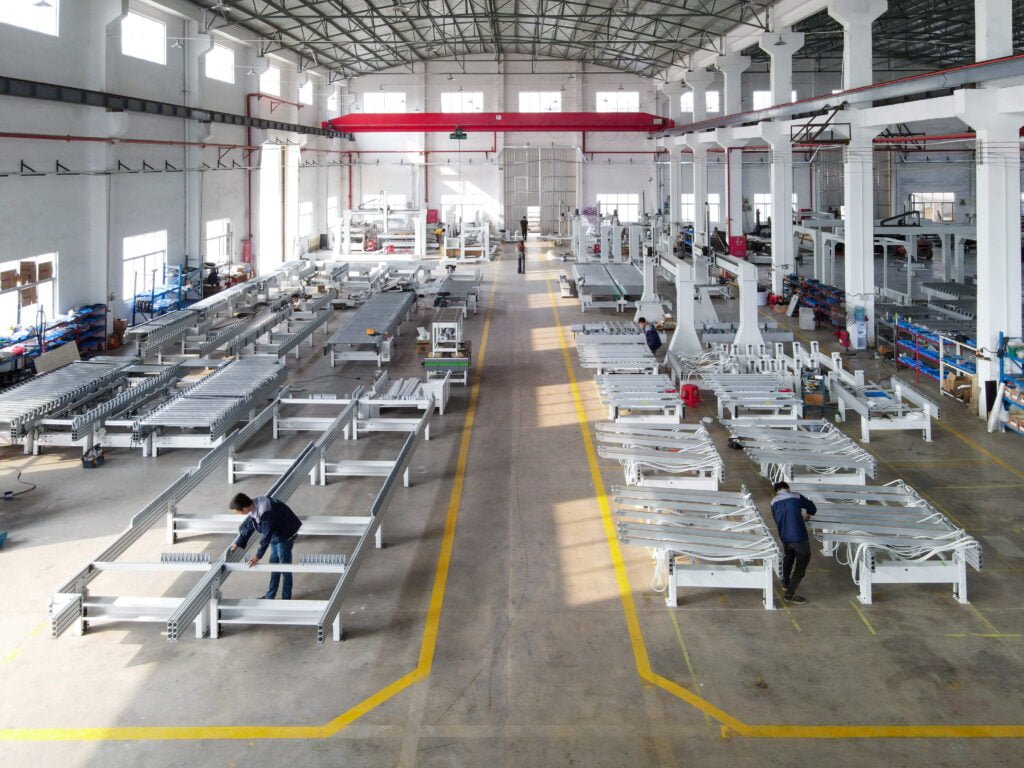
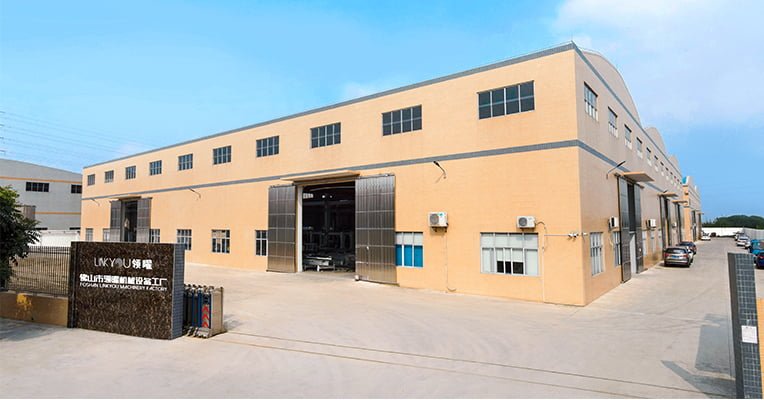
LINKYOU brings together woodworking machinery and production-line solutions for furniture, door, and wood-component manufacturers. Our equipment range covers planing, sawing, sanding and automated panel handling—from individual machines to connected production lines.
We focus on what matters to your factory: the parts you produce, the finish you need, and how materials move through your production process. Whether you are upgrading a single operation or planning a connected line, LINKYOU helps you explore equipment and configurations suited to your production goals.












- FAQ
Questions About Choosing Woodworking Machinery
Find a starting point for machine selection, sanding requirements, and line upgrades, then share your project details with LINKYOU.
Can I start with one machine and expand the line later?
You can enquire about a standalone machine, a handling station, or a connected line. Sharing your future workflow helps identify the infeed, outfeed, and space requirements to consider from the start.
Which specifications should I compare first?
Start with the working width, thickness, and length for your parts. Then compare the process-specific details: spindle arrangement for molding, blade and feeding specifications for sawing, sanding-unit layout for surface preparation, and panel weight and cycle for handling.
How do I choose a sanding configuration for profiled panels?
Start with the areas that need sanding: flat faces, grooves, raised profiles, and edges. Photos, drawings, and a representative sample help match the abrasive contact and unit sequence to the surface you want to achieve.
What is needed to connect handling equipment to my existing line?
Share your panel sizes and weights, conveyor height, transfer direction, and the machines on both sides of the new station. A workshop layout helps establish the loading position, handover points, and available operating space.
What should I send when requesting a machine recommendation?
Please tell us what you make, the material and workpiece dimensions, the process you want to improve, and your target output. Add your country and any available photos or drawings. Include installation, training, or spare-parts requirements when they are part of your project.
Can distributors, brand owners and trading companies contact LINKYOU?
Yes. Tell us your market, the machinery categories you are sourcing, and your project requirements. This helps focus the discussion on the relevant equipment and manufacturing partners.
- Inquiry
Find the Equipment for Your Next Production Step
Please tell us what your factory makes and the process you want to improve. Share your workpiece details to start a discussion about machine or production-line options with LINKYOU.
Useful details include material, dimensions, required finish, target output, and existing machinery. Photos, drawings, and a workshop layout can help explain the project.
- Workpiece and process review
- Machine selection and configuration advice
- Production-line layout discussion